Charcoal decides more of your session's flavour than the shisha does. The difference between natural coconut and quick-light coal, and how to run either one well.
People spend a long time choosing shisha flavours and about four seconds choosing charcoal. It is the wrong way round. Charcoal supplies every bit of heat in the session, and heat is what decides whether the shisha vaporises cleanly or scorches. It also, in the case of one type, adds a taste of its own that no flavour can hide.
The two types
Natural charcoal (usually coconut shell)
Pressed from coconut shell, with nothing added to help it light. It burns hot, burns long — typically 45 minutes to an hour and a half per coal — and is essentially tasteless, which is the entire point. What you taste is the shisha.
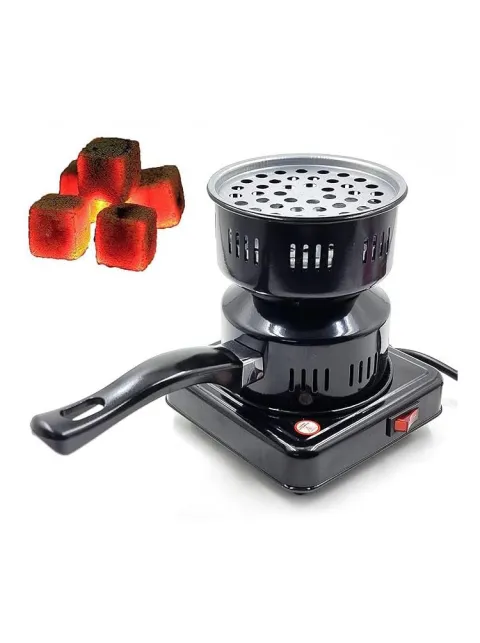
The cost is convenience: it will not light from a lighter. You need a heat source such as an electric coil burner or a gas stove, and you need to give it three to five minutes until every face glows red.
Quick-light charcoal
Natural charcoal with an accelerant coating that catches from a lighter and self-ignites across the disc in under a minute. Convenient, widely available, and the reason many first sessions taste of chemicals.
That accelerant burns off — but only if you let it. Most people put the coal on the bowl the moment it stops sparking, which is roughly when the accelerant is still burning. That taste goes straight into the session.
Quick-light also burns shorter and less evenly, so a long session means swapping coals repeatedly.
Which to use
At home, natural coconut charcoal, without much debate. The flavour difference is not subtle, the coals last three or four times longer, and a coil burner is a one-time purchase that costs less than a few months of replacement coals.
Quick-light earns its place where there is no power and no stove — a terrace, a picnic, travel. If you use it, the rule is simple: wait until the coal is fully grey-white with no sparking, no smoke and no smell, then wait another thirty seconds. Rushing this is the only real problem with quick-light coal.
Lighting natural charcoal properly
- Put the coals on the coil or over the flame with space between them.
- Give them two to three minutes, then turn each one.
- Wait until every surface glows orange-red with no black patches remaining. Black patches mean unburnt carbon, which means carbon monoxide and a flat taste.
- Tap the loose ash off before carrying them to the bowl.
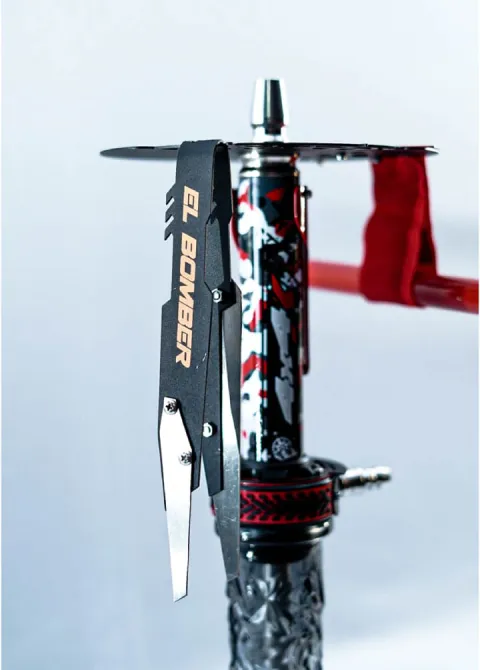
Use tongs, always, and keep the burner on a heatproof surface. This is the step people rush, and it is the step that decides the first ten minutes of the session.
How many coals
It depends on the bowl and on whether you use a heat management device, but as a starting point:
- Standard clay bowl, cubes: two to three, placed around the rim rather than the centre.
- Phunnel bowl: two to three, arranged around the raised centre.
- Heat management device: usually two, sometimes three, since the device holds and distributes the heat for you.
Start with fewer than you think. It is easy to add heat and slow to take it back once the shisha has scorched.
Managing heat through the session
The first five minutes are for settling in — draw gently and let the bowl warm through. After that:
- Rotate and tap every ten minutes. Ash insulates a coal from the air it needs. Half the time, knocking the ash off does what people think a new coal is needed for.
- Move coals inward as the session ages. The outer shisha spends first.
- Purge after every change. Blow gently down the hose to clear stale smoke from the base.
- If it turns harsh, remove a coal. Do not try to smoke through it. Take one off, purge, wait a minute.
Heat management devices
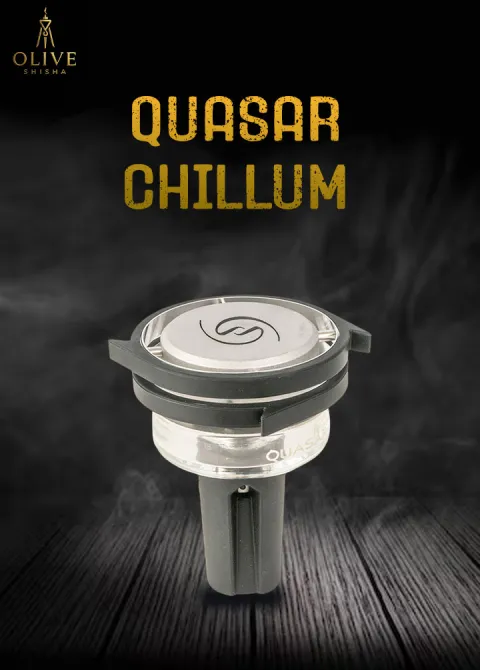
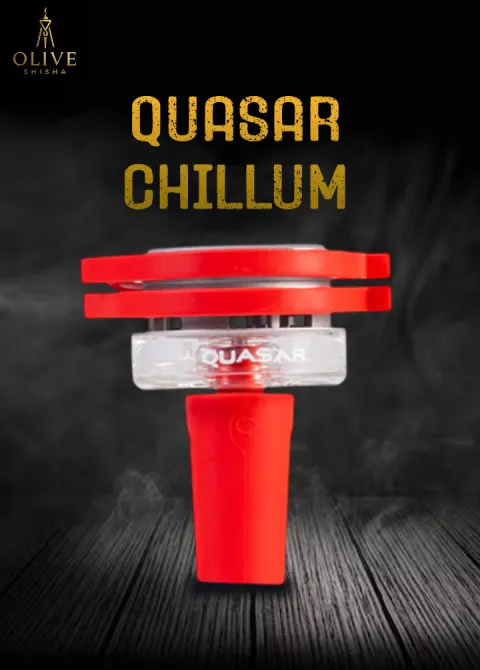
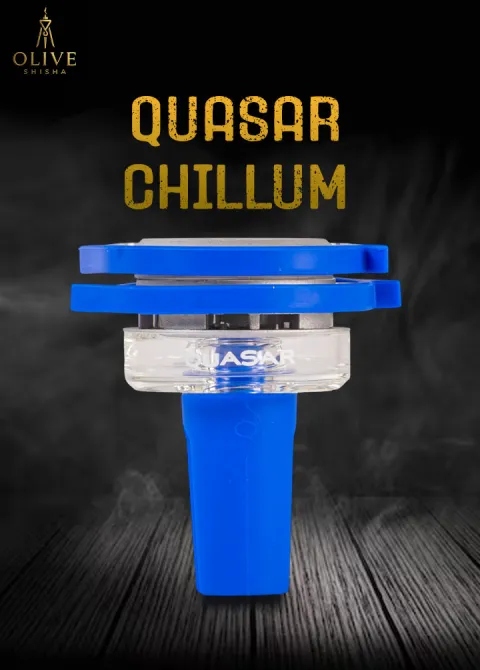
A metal lid that sits over the bowl and holds the coals above the foil, with vents you can open or close. It costs a little and removes most of the difficulty: heat spreads evenly, ash stays off the shisha, and the session runs longer on fewer coals.
If you find yourself scorching bowls regularly, this solves it more reliably than practice does.
Safety, briefly and seriously
Burning charcoal produces carbon monoxide. It is odourless and it accumulates.
- Smoke in a ventilated space. Open a window; a closed room with a running hookah is genuinely dangerous.
- Never light or burn charcoal indoors without ventilation.
- Always use tongs — a lit coal is several hundred degrees.
- Keep a heatproof surface under the burner and under the hookah tray.
- Let spent coals cool fully before disposal. They stay hot far longer than they look.
Store it dry
Charcoal absorbs moisture from the air, and damp coals are slow to light and burn unevenly. Keep them in a sealed container, not the open box, especially through the monsoon.
Charcoal, tongs, burners and heat management devices are all in our accessories range, and our stores stock them alongside the hookahs. If you are still choosing a pipe, start with the buying guide.