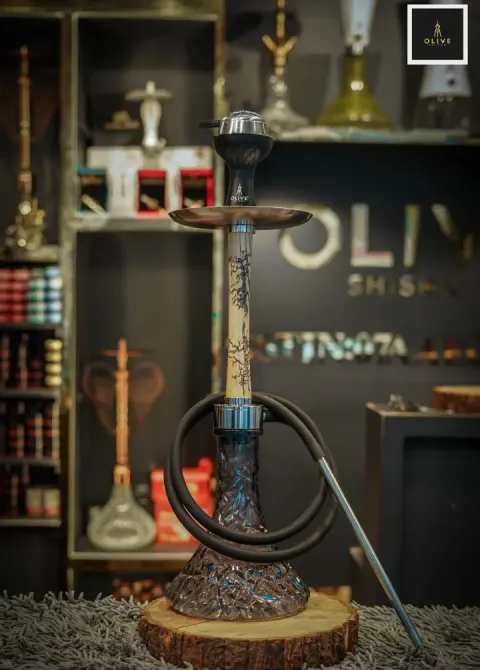
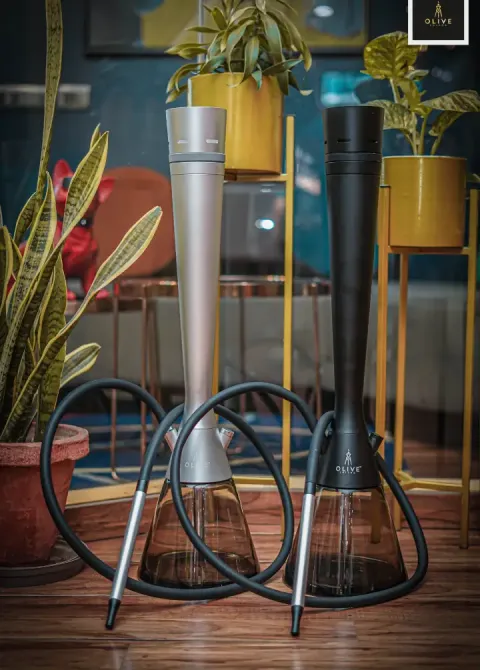
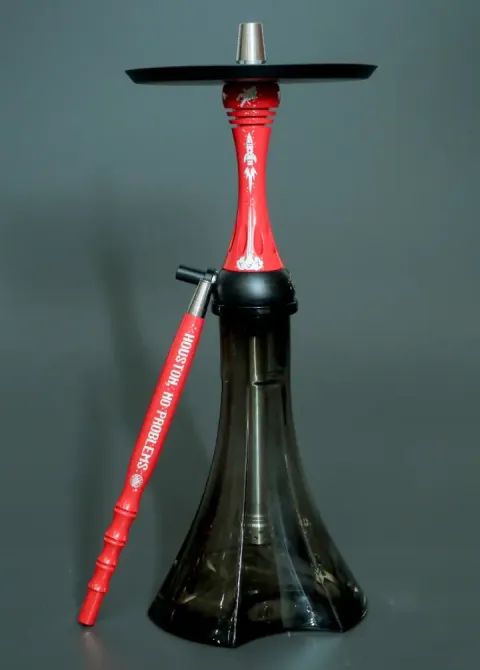
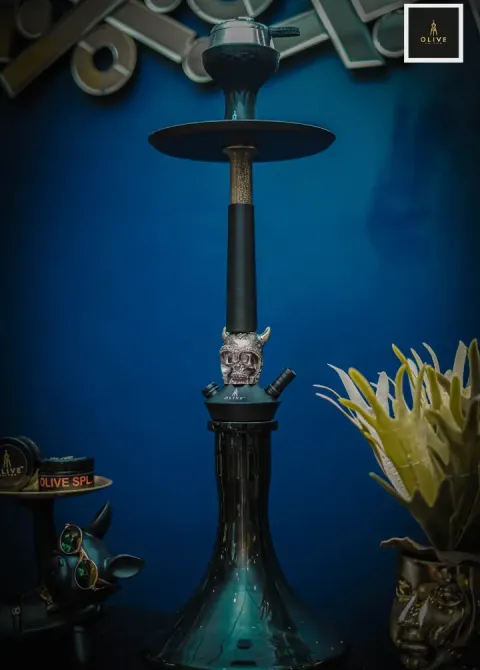
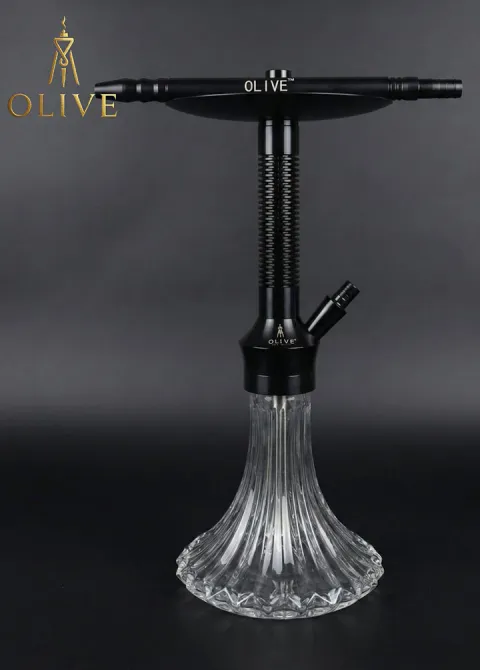
Harsh smoke is a symptom, not a verdict on your hookah. Eight causes, in the order worth checking, and what each one actually needs.
A session that turns harsh feels like a fault in the equipment. It usually is not. Work through these in order — the common causes are at the top, and most sessions are rescued in the first three.
1. Too much heat
By far the most likely explanation. Harsh, peppery smoke that scratches the throat is scorched shisha, and scorched shisha means the coals are doing too much.
Fix: take one coal off, move the others out to the rim, purge through the hose, and wait a minute. If it improves, you have your answer. Next session, start with one fewer coal and place them at the edge rather than the centre.
2. The bowl was packed too tightly
Pressed-down shisha blocks airflow. The heat cannot move through the pack, so the top layer burns while the rest stays cold.
Fix: nothing will save the current bowl. Repack loosely — sprinkle it in, break up clumps, leave the surface level and a few millimetres below the rim. You should almost be able to see light through it.
3. The shisha is touching the heat source
If the shisha touches the foil or the heat management device above it, that contact point burns rather than vaporises. One burnt patch is enough to taint the whole session.
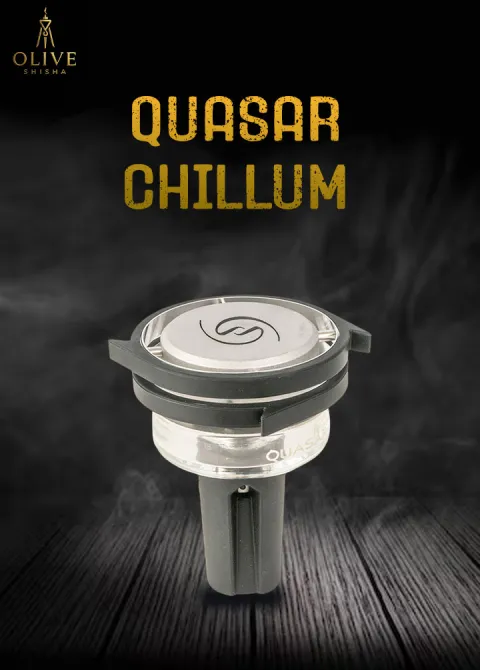
Fix: pack a few millimetres lower. With a phunnel bowl, keep the level below the centre spire.
4. The charcoal was not fully lit
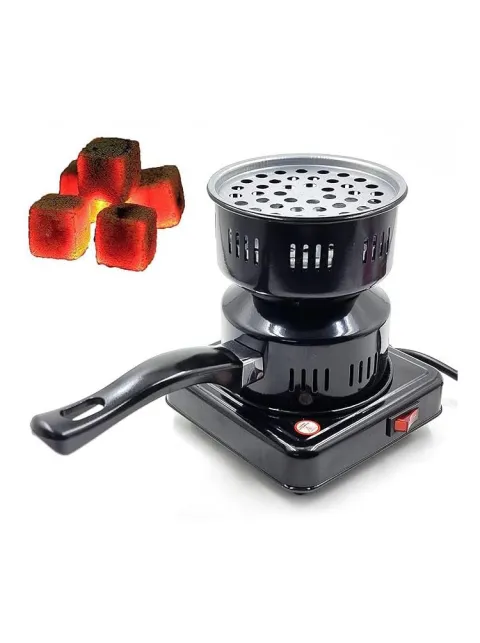
Black patches on natural charcoal mean unburnt carbon. Quick-light coal put on early means you are smoking the accelerant.
Fix: light natural coals until every face glows red with no black remaining — three to five minutes, turning them once. With quick-light, wait until there is no sparking, no smoke and no smell, then wait another thirty seconds. Our charcoal guide covers both properly.
5. Water level is wrong
Too little water and the smoke arrives barely cooled. Too much and every draw is a fight, which pushes people to pull harder — which pulls more heat down into the bowl and scorches it.
Fix: submerge the downstem by two to three centimetres. No more.
6. The pipe is dirty
Residue in the stem and hose does not sit there quietly. It carries old flavour into new sessions and gives everything a stale, slightly ashy edge that no amount of coal management will lift.
Fix: a full deep clean — dismantle, brush the stem end to end, scrub the base, flush the hose if it is washable. Our cleaning guide has the routine. If flavours ghost after a proper clean, the hose is the culprit.
7. Air is leaking
Weak smoke with no obvious heat problem usually means the pipe is not sealing. Grommets perish, hose ports get left unplugged, stems work loose.
Fix: cover the bowl opening with your palm and draw. You should get almost nothing. If air still moves freely, check the bowl grommet, the stem-to-base seal and every unused hose port. Grommets are cheap and are meant to be replaced.
8. The shisha itself
Last, because it is the least likely — but it does happen. Shisha that has dried out is harsh whatever you do with it, and different blends carry heat differently: a strong dark-leaf tobacco will punish the heat setup that a lighter blend tolerates.
Fix: check that the shisha is still moist and stored sealed. If it is dry, replace it. If it is fine, try one fewer coal — some blends simply want less heat.
Diagnosing quickly
- Harsh from the very first draw — charcoal not fully lit, or too much heat from the start.
- Fine at first, harsh after ten minutes — coals have crept inward or need rotating and tapping.
- Thin and weak throughout — not enough heat, an air leak, or too tight a pack.
- Hard to draw — too much water, or a stem that needs cleaning.
- Tastes like the last session — cleaning, and probably the hose.
When it is the hookah
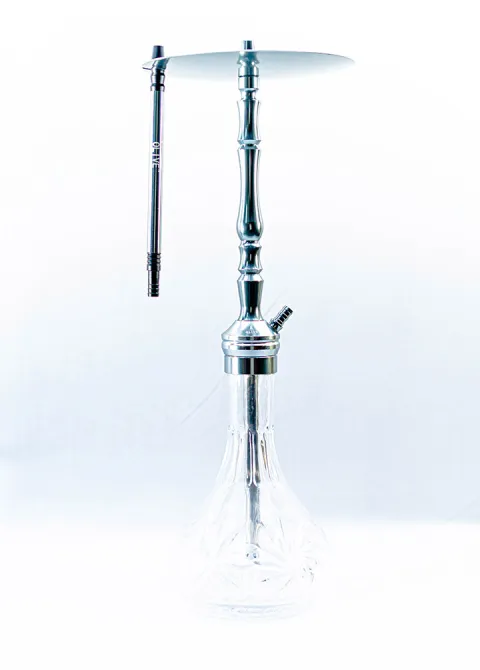
If you have worked through all eight and sessions are still poor, the pipe may genuinely be the problem — thin metal, joints that never sealed properly, or a stem that cannot be cleaned because it does not come apart. Those are build issues, and no technique fixes them.
Our buying guide explains what to check before buying so you do not end up there again, and the session guide covers setup from the start.